Egypt to Tashkent: the practical guide for Uzbek fresh-produce importers.
Uzbekistan is one of the clearest commercial fits for Egyptian fresh produce anywhere in the world. The winter gap is absolute; the appetite is growing; the competition is thin. The trouble is, most first-time Uzbek importers of Egyptian produce lose their first containers to route mistakes, L/C discrepancies, or phytosanitary surprises. This guide is the checklist the AFRICAFRESH EXPORT sourcing desk works through with every new Tashkent-based buyer.
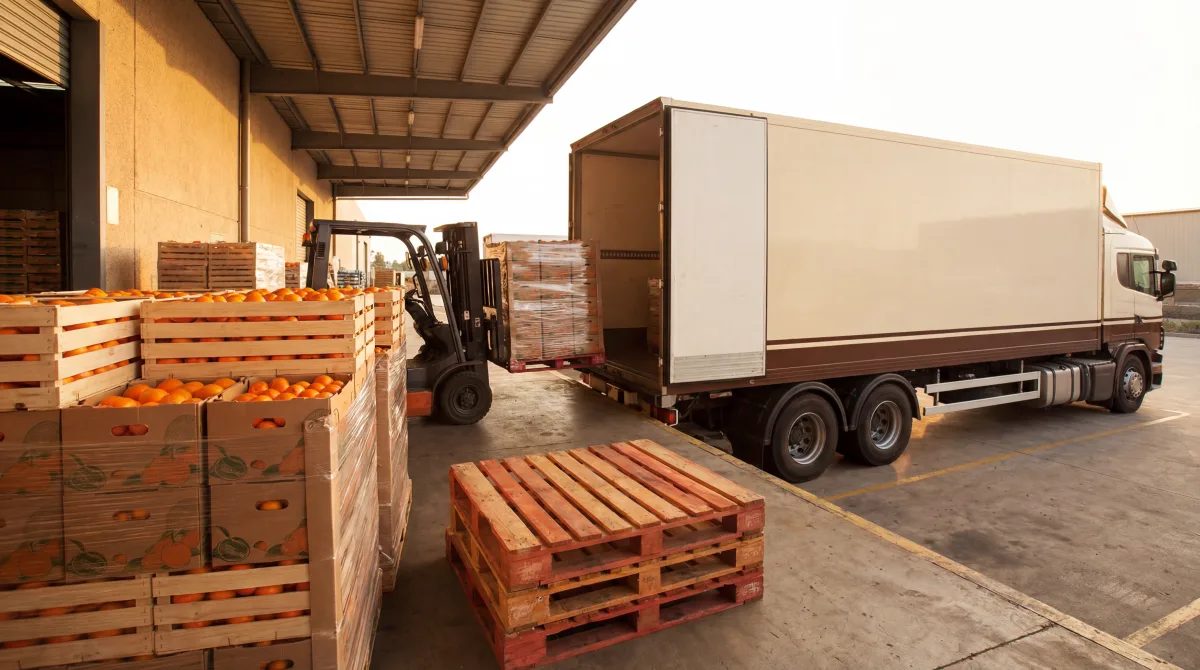
Why the corridor works
Uzbekistan's domestic citrus and stone-fruit production is seasonal and small; November through March, the country imports over 80% of its fresh-citrus consumption. Egyptian Navel, Mandarins, and Grapefruits peak across exactly those months. Strawberries, pomegranates, and Barhi dates follow the same counter-seasonal pattern. There is no geographic overlap between Egyptian supply and Uzbek domestic production — Egyptian containers fill a gap, they do not displace a grower.
Commercially, the attraction is threefold: landed price competitive with Turkish and Iranian alternatives; cleaner phytosanitary paperwork than most regional sources; and variety depth — 19 commodity lines from one origin under one account manager, simplifying the typical Uzbek importer's 4-origin model.
Route choice: the only decision that matters in the first year
Tashkent is landlocked. There are three production-grade routes from Egyptian ports or airports to Tashkent, and your choice drives everything else — pricing, transit, spoilage risk, and how hard your first-year financing has to work. Don't let a freight forwarder default you into a route without understanding the trade-off.
1. Air freight, Cairo (CAI) → Tashkent (TAS)
Transit 24–48 hours door-to-door. Cost $2.10–2.80/kg. Best for: high-value perishables, samples, Ramadan and Eid top-ups.
The right answer for your first 2–3 shipments. Air freight eliminates nearly all spoilage risk, shrinks the documentation cycle, and lets you learn the Uzbek clearance process against a small sample before scaling. Strawberries, lychee, fresh Khalal Barhi dates, and premium mangoes almost always move by air regardless of volume.
2. Sea + Caspian ferry + rail via Poti and Aktau
Transit 14–18 days. Cost $0.90–1.20/kg. Best for: FCL reefer volumes of citrus, pomegranates, onions, potatoes once supply cadence is established.
The cheapest reefer route. Reefer container sails Alexandria → Poti (Georgia) via Black Sea, transits overland to Aktau (Kazakhstan) on the east Caspian, then rails onward to Tashkent. Works well for established programmes; not recommended for your first shipment because three hand-offs means three points where paperwork can misalign.
3. Sea + TIR truck via Turkish ports
Transit 12–14 days. Cost $1.20–1.60/kg. Best for: mid-volume reefer where you want faster transit than Poti without paying air rates.
Reefer sails Damietta → Mersin (Turkey), clears Turkish transit customs, then TIR trucks across Turkey → Georgia → Azerbaijan → Iran or Turkmenistan → Uzbekistan. Transit risk is higher (more borders) but speed is better than Poti for less money than air.
Documentation — the three things that derail first shipments
The Uzbek Agency for Sanitary and Epidemiological Welfare is not the villain of most first-year stories. Three paperwork problems account for about 80% of clearance delays:
- Phytosanitary Certificate cultivar name mismatch. The cultivar name on the Egyptian MALR Phytosanitary Certificate must match the Commercial Invoice exactly. "Navel" vs "Navel Orange" vs "Washington Navel" can cause a hold. Fix: AFRICAFRESH EXPORT aligns all documentation to a buyer-agreed naming convention before shipment.
- Commercial Invoice carton count not matching physical carton count. Uzbek customs recount manually. A single extra or missing carton reopens the whole consignment. Fix: buyer-side recount at port of origin before container seals.
- L/C drawn against "Cairo" as port of loading when cargo actually sails from Alexandria. Common first-year mistake. Banks reject. Fix: always specify Alexandria, Damietta, or Port Said explicitly in the L/C.
Payment and L/C banking
L/C dominates Uzbek import finance, especially for first engagements. Major Egyptian correspondent banks in Cairo routinely confirm L/Cs issued through the major Uzbek commercial-bank network. Typical structure: sight L/C, 120-day tenor, 30% advance T/T for mobilisation + 70% under L/C against documents.
Established buyers (3+ shipments with no disputes) transition to T/T 30/70. CAD is accepted for mid-volumes when the buyer-supplier relationship is documented.
Halal — what actually matters
For raw fresh fruit and vegetables: inherently halal, no separate certification required. Do not let anyone sell you halal certification on raw Navel oranges or fresh strawberries; it is not a regulatory requirement and not a retail differentiator for unprocessed produce.
For processed, dried, frozen, or value-added lines (dried dates, juices, frozen strawberries): halal certification from an accredited Egyptian body is recommended and usually required by Uzbek retail chains for the processed SKU. See our halal certification explainer.
Your first year as a Uzbek importer of Egyptian produce
- Month 1: pick 2–3 SKUs with the strongest counter-seasonal fit (Navel, Mandarins, Strawberries are the classic starter trio). Agree the full programme volumes and a 6-month pricing frame with AFRICAFRESH EXPORT
- Months 2–3: air-freight 1–2 test shipments. Run them through full customs and retail channels. Catalogue anything that went wrong.
- Month 4: switch to weekly Poti-route reefer for the core programme. Keep air available as a top-up channel for retail spike weeks and for products where reefer transit damages margin (strawberries, lychee).
- Month 6: renegotiate pricing for the full next-season programme with actual data from the first 6 months.
- Month 9–12: expand SKU count. By now your Uzbek Agency clearance process is tuned; your L/C provisions are memorised; adding pomegranates, mangoes, and Barhi dates is low-friction.